🎬Video
Recovering from Religion
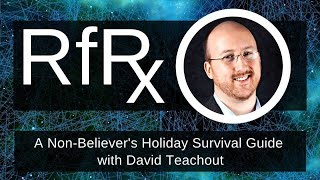
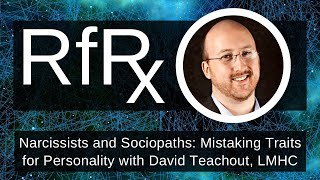
As an educator and trainer for health-providers and other professionals, David Teachout also has a private practice helping adults and couples with learning resiliency skills related to relationship difficulties and trauma. He hosts a podcast, "Humanity's Values," and a blog related to mental health topics. David has worked in mental-health-care for 15 years, and holds a master's in both forensic and counseling psychology, and is currently working towards a Doctor of Psychology in Clinical Psychology. He's also worked in community mental health, social work, criminal justice, elder care, and child advocacy.
Healthy relationships, including family, friendships, partnerships, coworkers, and leader/subordinate relationships, can be difficult to maintain in the best of situations. It becomes impossible, however, when one person in the relationship is committed to behaviors that are coercive, deceptive, destructive, and/or self-serving. These unhealthy traits sometimes show up in two pathological ways, narcissism and psychopathy. While these personality traits are not nearly as common as perhaps experience, TV shows, movies and the internet would have you believe, there's still plenty of signs to keep an eye out for. In this RfRx, we'll explore those traits and ways to reduce the influence the people with those traits may have on you.